Day Tours
Pick a Day. Pick a Destination. Leave the Rest to Us.
Darash Lanka Tours’ day tours are built around a simple principle: you should be able to have a genuinely great experience somewhere in Sri Lanka without spending half your energy organising it. Every tour in this programme comes with a driver-guide who knows the site and the route properly, handles the logistics and the timing, and gives you the kind of contextual knowledge that transforms a visit from a look-around into an actual encounter with what makes the place significant. All 20 tours below are available to book individually or as part of a tailor-made trip. We’ll pick you up from your hotel, take you there, and have you back in time for dinner.
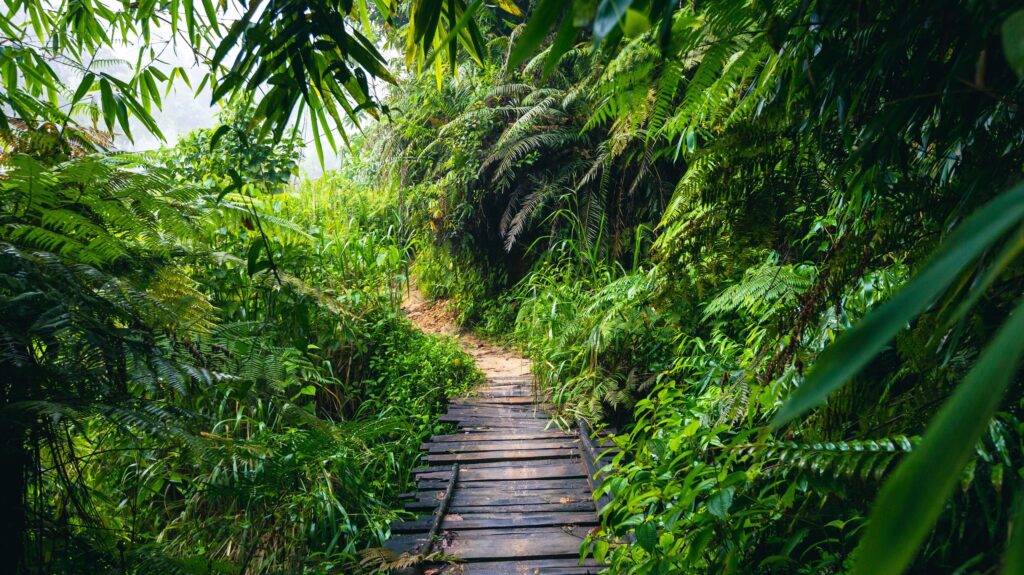
Sinharaja is Sri Lanka’s ecological crown jewel – the island’s last intact primary tropical rainforest, a UNESCO World Heritage Site, and one of the most biodiverse forests on earth. Walking through it with a specialist naturalist guide is as far from a standard day tour as it’s possible to get. This is genuinely extraordinary natural territory, and it rewards the traveller who approaches it with patience and curiosity.
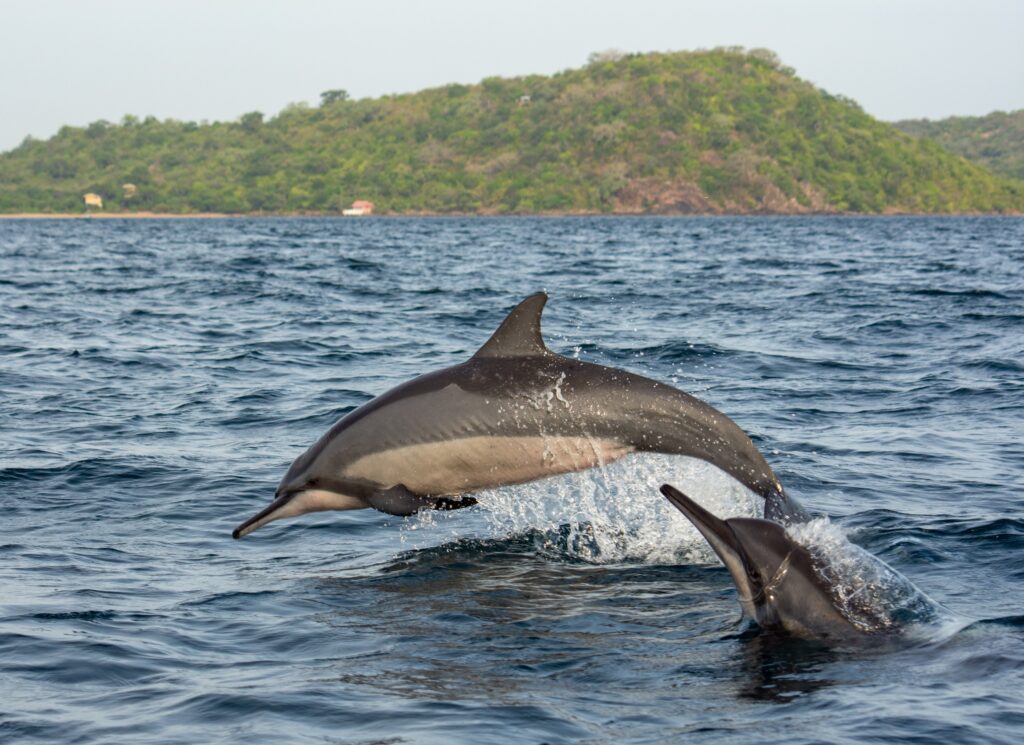
Kalpitiya is one of the least-discovered major wildlife destinations on the Sri Lankan coast – a rugged peninsula on the northwest that faces into the open Indian Ocean and happens to sit above one of the largest regular spinner dolphin gathering grounds in Asia. On a good morning off Kalpitiya, you’re not watching a pod of dolphins. You’re watching a thousand.
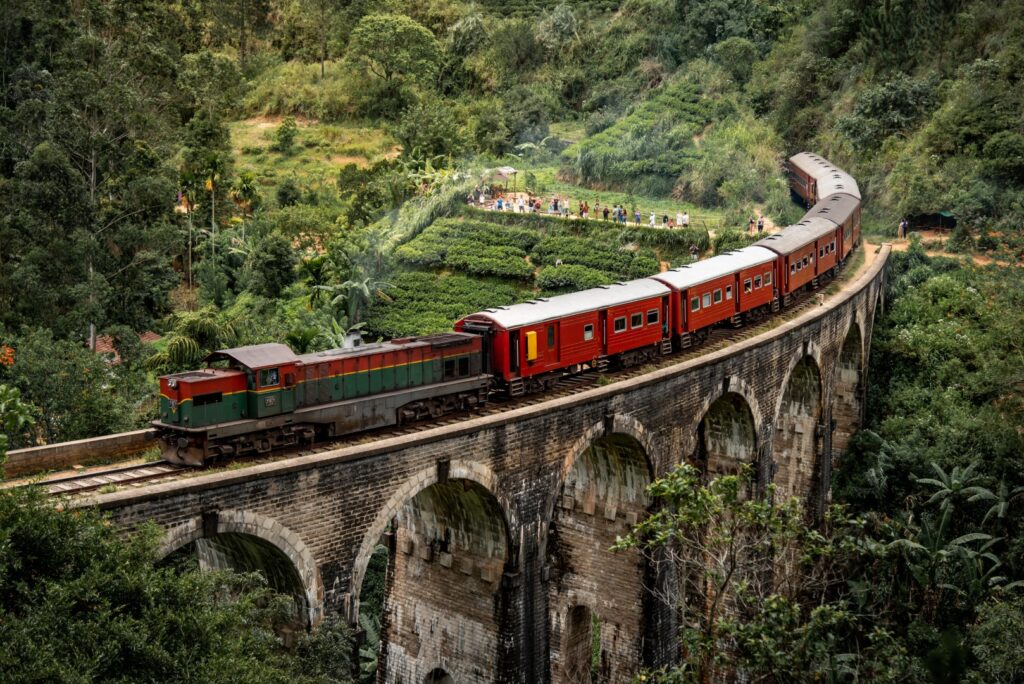
Ella consistently tops the list of destinations that Sri Lanka travellers wish they’d spent more time in. A small mountain village in a dramatic highland gap, surrounded by tea estates and hiking trails, with the Nine Arch Bridge nearby and the kind of relaxed cafe culture that makes a long lunch feel productive rather than indulgent. This day tour gives you a proper Ella day – enough time to hike, see the bridge, and actually sit down somewhere with a view.
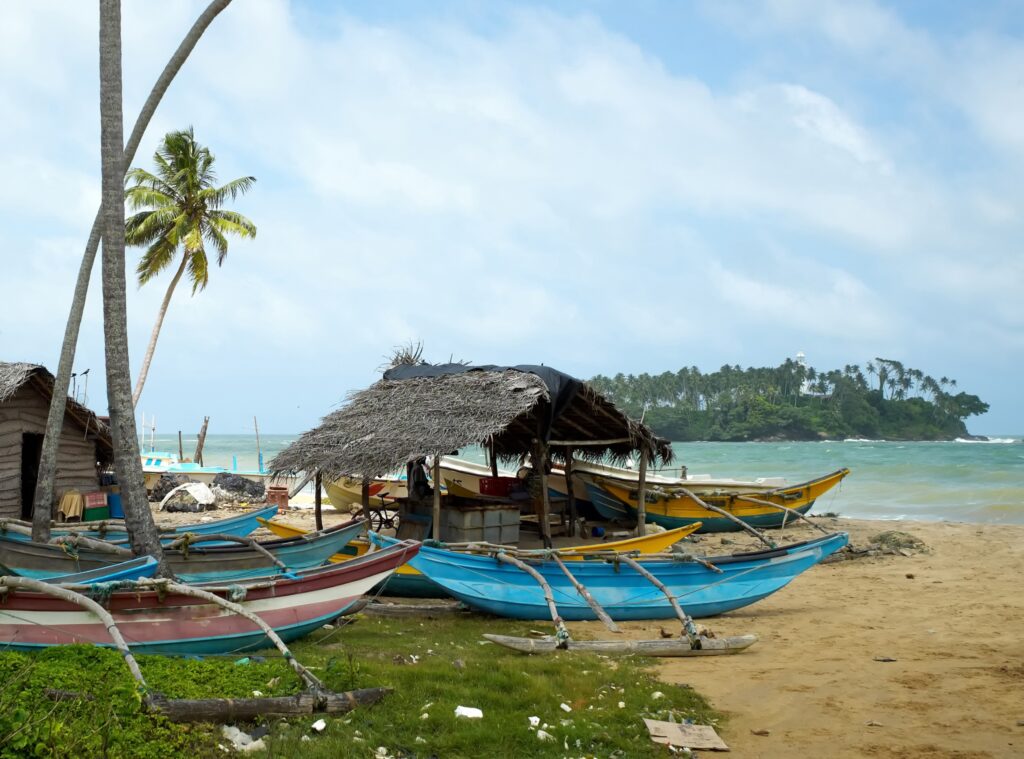
Negombo gets overlooked by most travellers who treat it purely as an airport town. That’s their loss. The city has a genuine identity built around centuries of Dutch colonial history, a traditional fishing community that still wakes before dawn, a lagoon rich with waterbirds, and a concentration of Catholic churches that has made it one of Sri Lanka’s most architecturally interesting coastal towns. This tour makes the most of a destination that rewards proper attention.
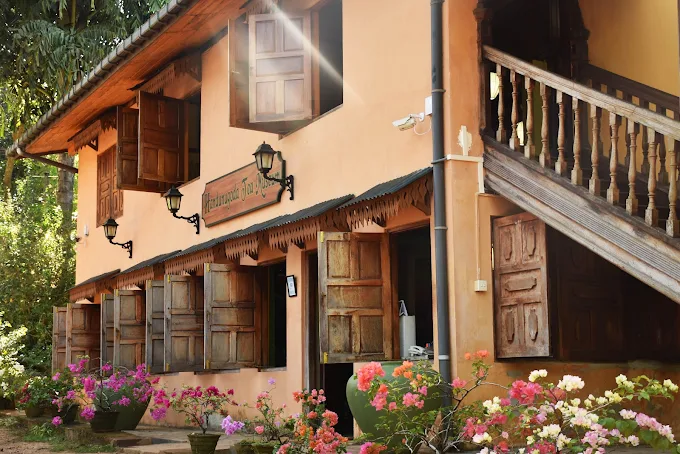
The southern coastal hinterland hides one of Sri Lanka’s most interesting culinary and agricultural stories – Handunugoda Tea Estate, the world’s only producer of Virgin White Tea (a tea so rare it’s harvested in morning dew by gloved workers to avoid finger-contact with the buds), and the cinnamon plantation landscapes of the Koggala area, where true Ceylon cinnamon is still hand-peeled exactly as it has been for centuries. This tour combines both into a genuinely unusual and rewarding day.
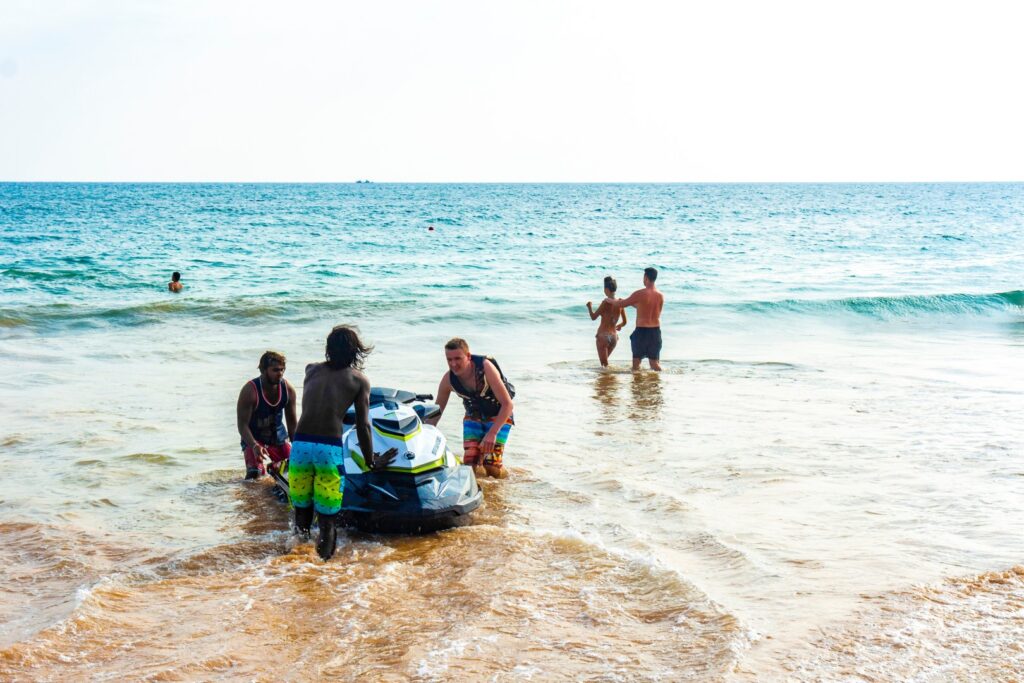
Bentota is where Sri Lanka’s west coast beach experience reaches its most developed and most enjoyable form. The beach itself is wide, long, and consistently good for swimming. The Bentota River estuary provides sheltered, safe conditions for a range of water sports from beginner to experienced level. And the Madu River wetland just inland adds a natural and ecological dimension that lifts the day well beyond a straightforward beach trip.
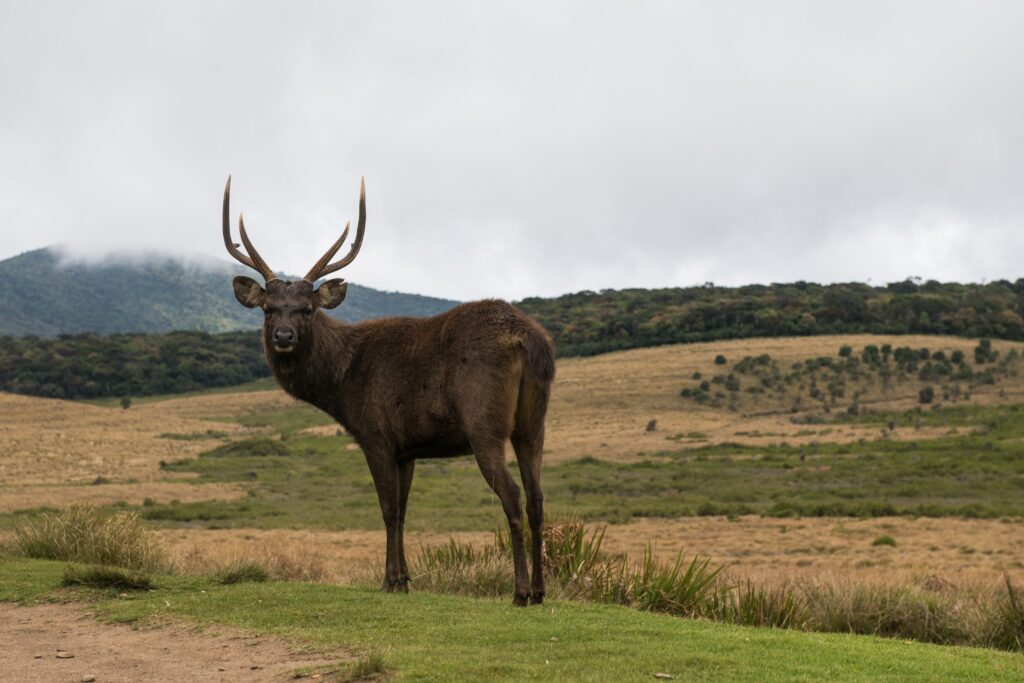
The Horton Plains plateau sits above 2,000 metres and feels nothing like the rest of Sri Lanka. An early morning walk through open montane grassland and cloud forest to the sheer cliff edge of World’s End – where the highland drops nearly 900 metres to the lowland plains in a single dramatic escarpment – is one of the most satisfying natural experiences on the island. The key is arriving early, before cloud obscures the view. This tour gets you there at the right time.
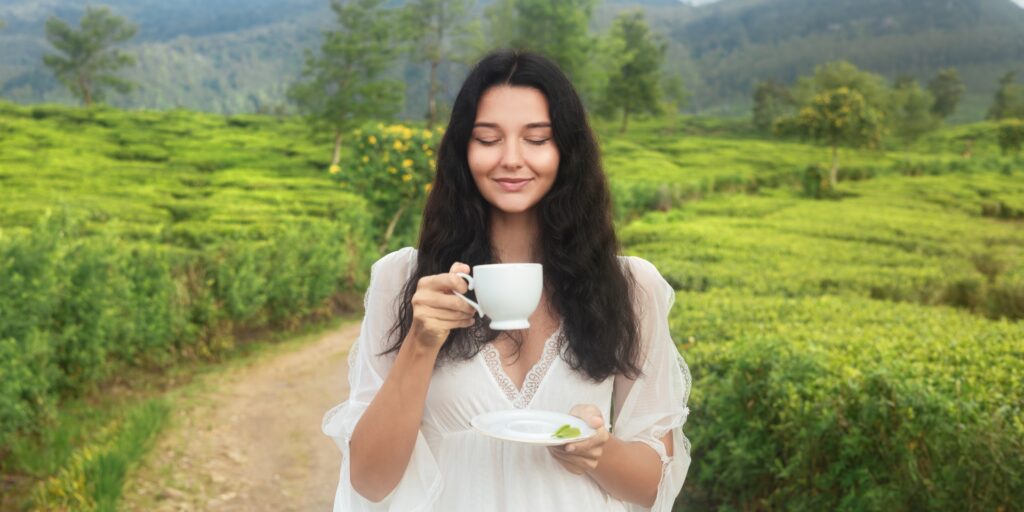
A day in Sri Lanka’s tea country is one of those experiences that seems simple and turns out to be genuinely fascinating. The landscape is beautiful in a way that photographs only partially capture. The process of how Ceylon tea is made – from the plucked leaf to the brewed cup – is more interesting than most people expect. And the combination of cool mountain air, plantation scenery, and a proper tasting session at the end makes for a day that is almost universally enjoyed.
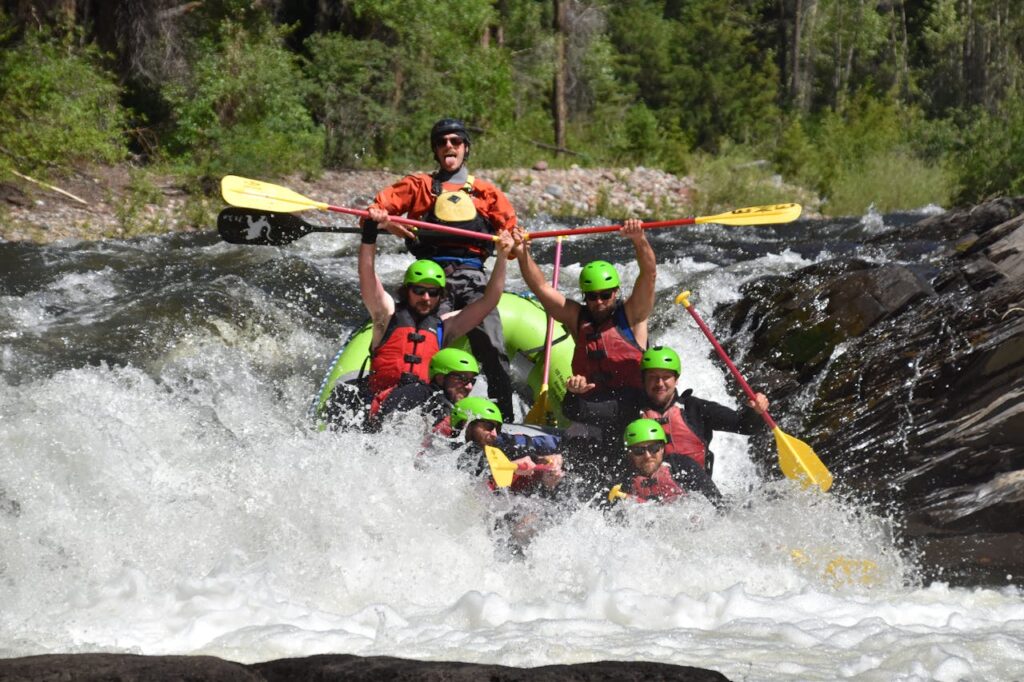
Kitulgala’s white water rafting on the Kelani River is the best adventure activity day in Sri Lanka in terms of the ratio between genuine thrill, natural beauty, and accessibility. The rapids are Grade 2 and 3 – serious enough to be properly exciting, manageable enough that most people with basic fitness can handle them – and the setting, in a jungle-clad river gorge that was used as the filming location for the Bridge on the River Kwai, is spectacular in a way that makes the experience feel like much more than just a rafting run.
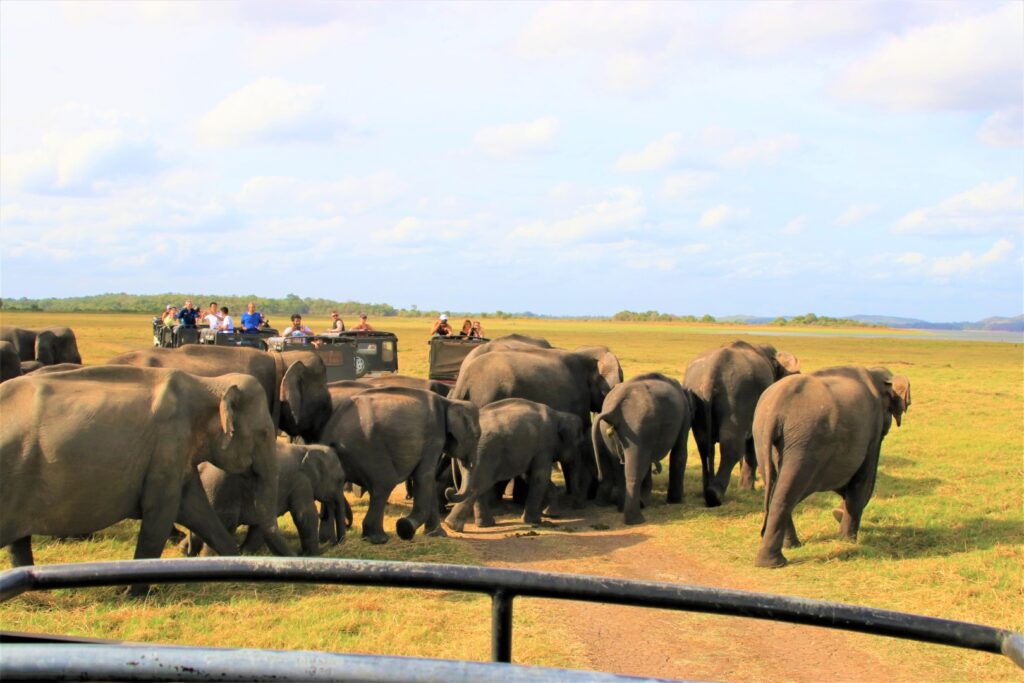
Minneriya is the park for one specific and extraordinary reason: the Elephant Gathering. During the dry season months of June to October, hundreds of wild Asian elephants converge on the ancient Minneriya Tank as its water level drops and fresh grass is exposed along the receding shoreline. At its peak, gatherings of two hundred or more elephants around the tank have been recorded in a single afternoon – one of the greatest wildlife spectacles on earth, available within a two-hour drive of Colombo.
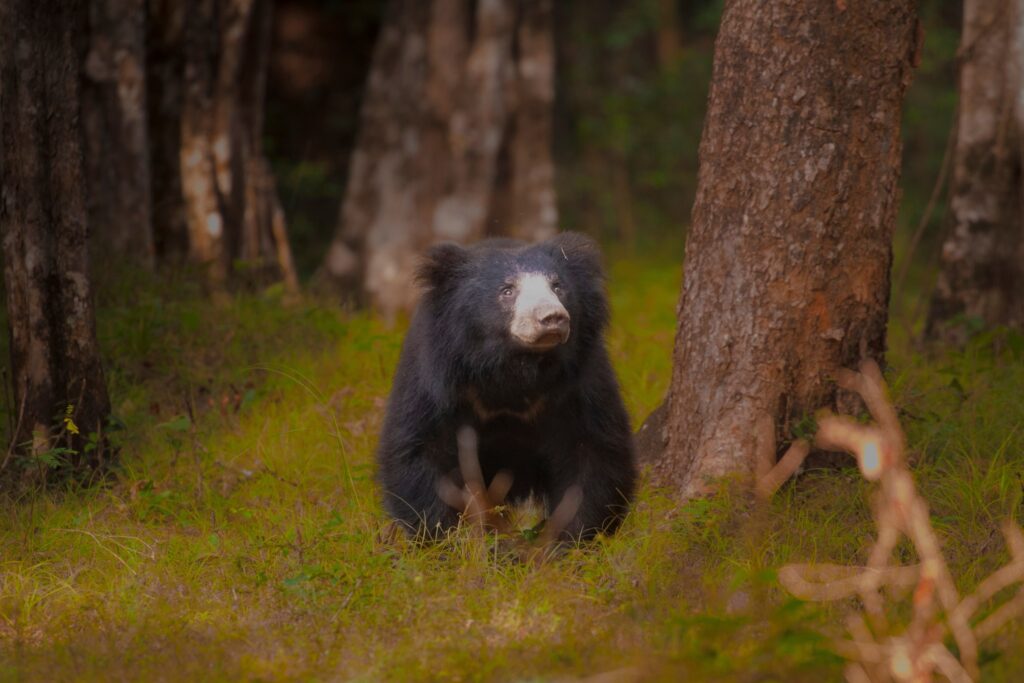
Wilpattu is Sri Lanka’s largest and most spacious national park – built around a system of natural lake basins called villus that create a beautiful, open, and extraordinarily wildlife-rich environment that feels genuinely wild. It has fewer visitors than Yala, deeper forest, and a quality of encounter that serious wildlife travellers consistently rate very highly. If you want to track leopards in a park that doesn’t feel like it’s been turned into a jeep safari circuit, Wilpattu is the answer.
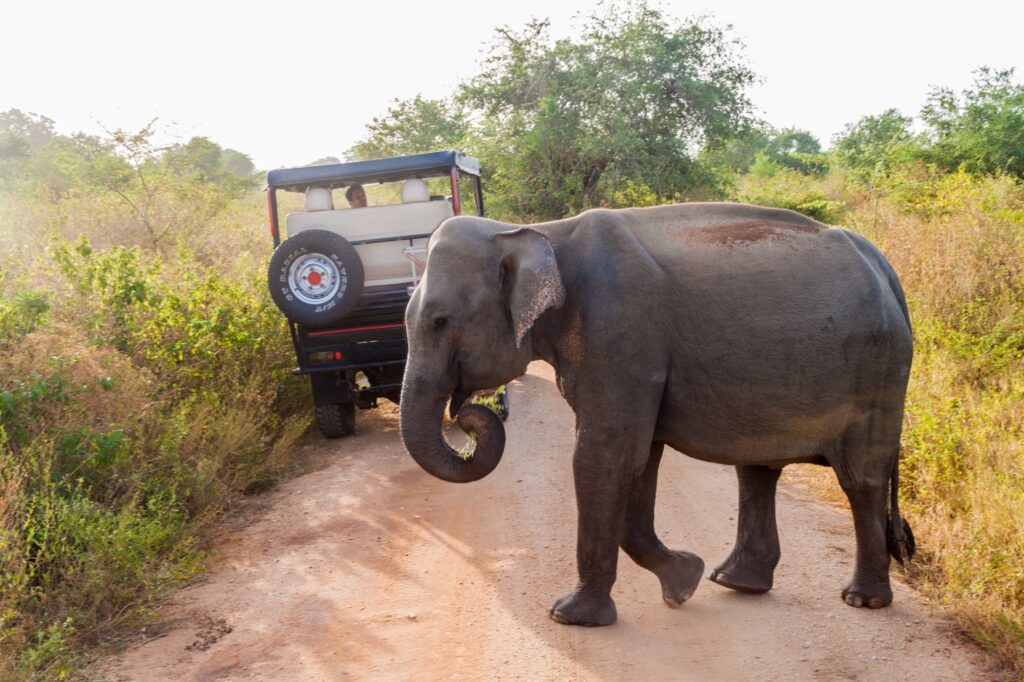
If someone asked you to name a Sri Lanka day tour that reliably delivers – that gives you a proper wildlife encounter, outdoors, in genuinely beautiful surroundings, with a high probability of memorable sightings – Udawalawe would be a very strong answer. The elephant population here is extraordinary in size and accessibility, and the open savanna landscape means you actually get to watch them rather than glimpsing grey shapes between trees.
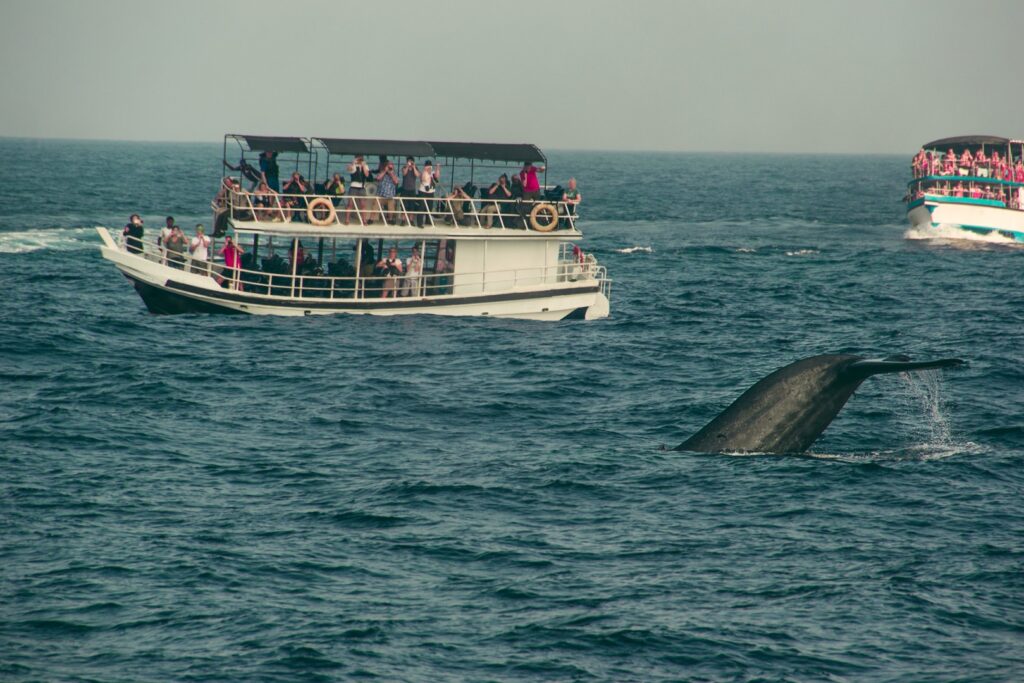
The waters off Mirissa on Sri Lanka’s southern coast are among the best whale-watching grounds in the world. Between November and April, blue whales – the largest animals that have ever lived on this planet – pass through in numbers that make sightings a regular occurrence rather than a lucky one. This is not a simulated wildlife encounter. It’s the real thing, in the open ocean, before breakfast.
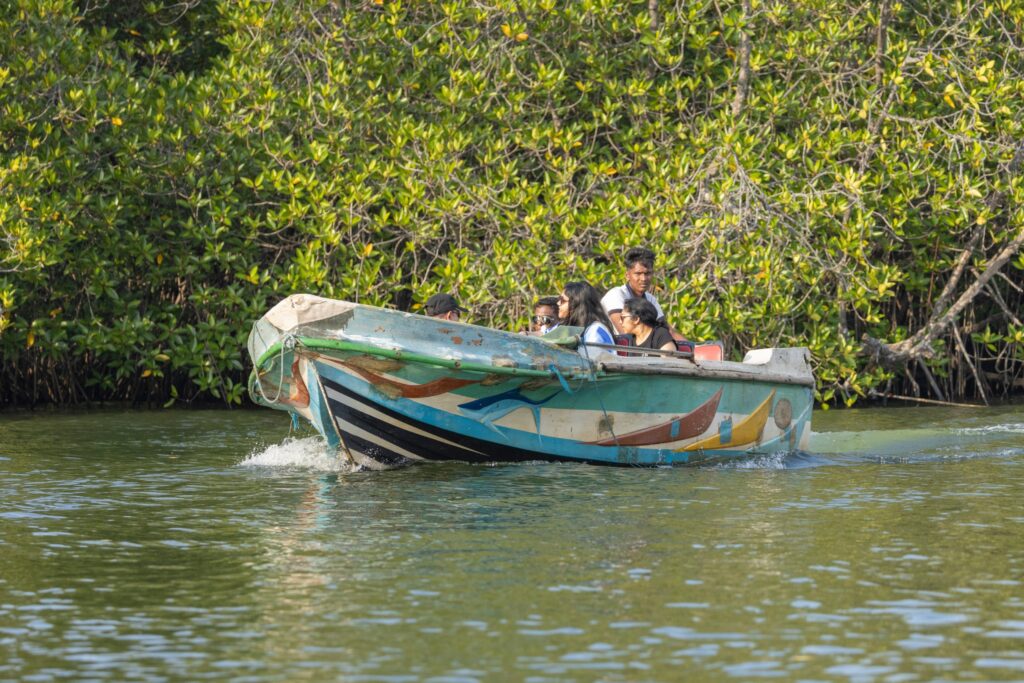
If you’ve spent a few days on the southwest coast and want a day that feels completely different from a beach or a temple, the Madu River is the answer. A network of channels, small islands, and mangrove tunnels just inland from the coastal strip near Balapitiya – explored by small motorboat with a local pilot – delivers the kind of quiet, intimate, and genuinely surprising natural experience that stays in the memory long after the bigger-ticket destinations have blurred together.
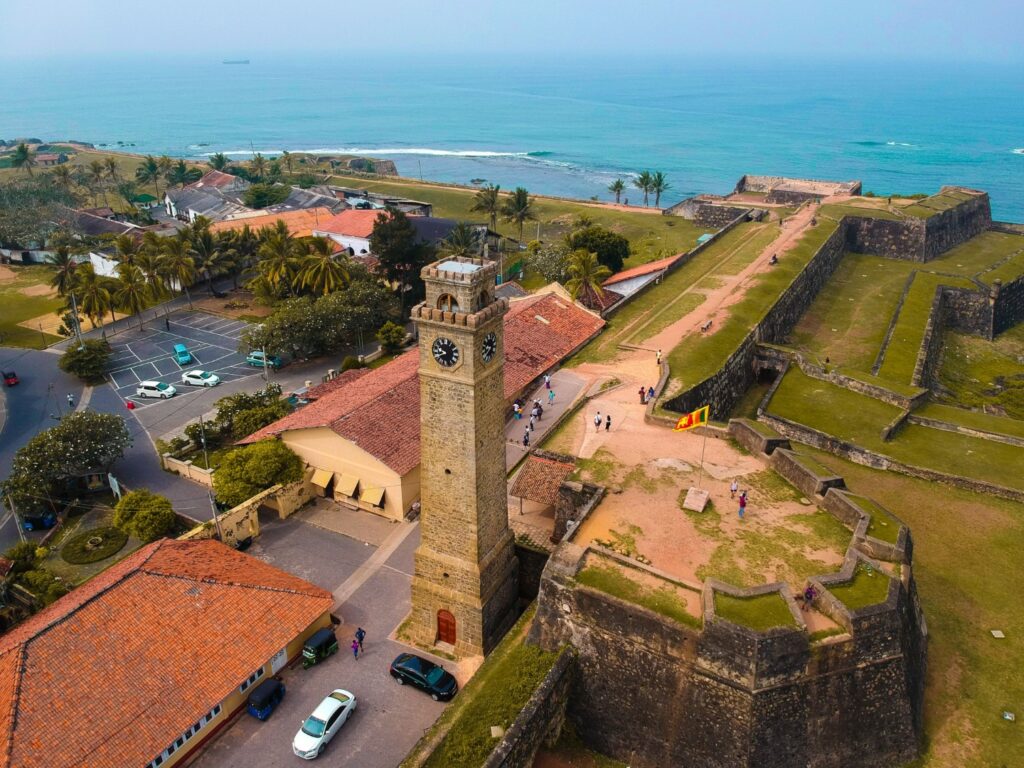
Galle Fort is the most complete colonial sea fortress in Asia – and it’s still a living town, not a preserved relic. Real people live and work within its walls, and the mix of Dutch heritage architecture, boutique cafes, art galleries, and the Indian Ocean visible through every gap between buildings creates an atmosphere that is uniquely and powerfully itself. This tour pairs it with the best of the southwest coast for a full day of contrasting pleasures.
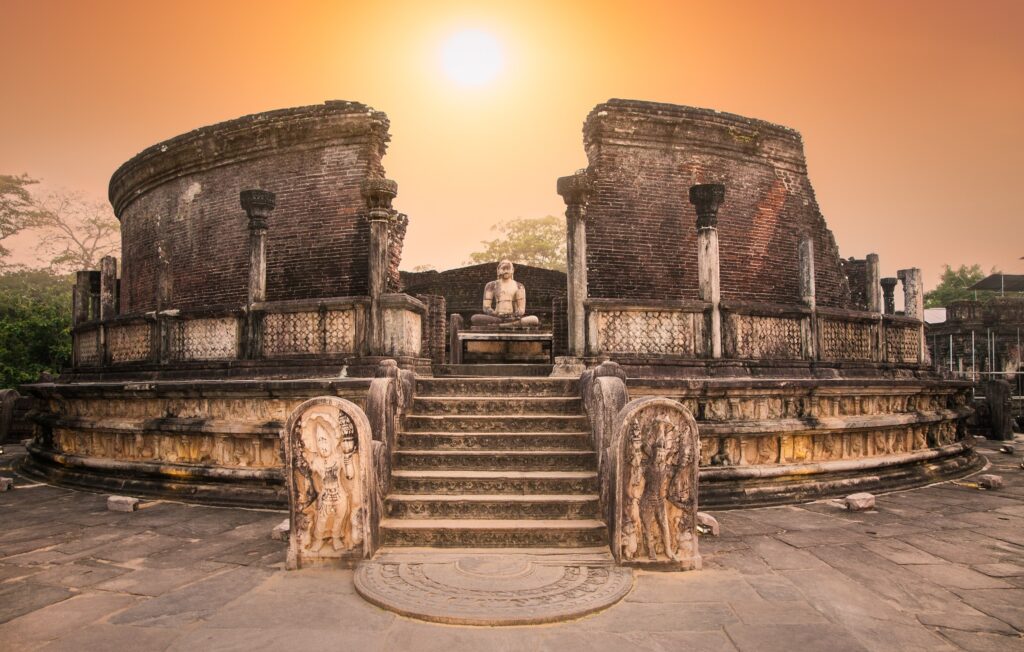
Polonnaruwa was Sri Lanka’s medieval golden age made solid in stone – a royal capital that flourished between the 10th and 12th centuries and left behind some of the finest sculpture and architectural heritage in Asian history. More compact and more immediately impressive than Anuradhapura, it’s the ancient city that most consistently leaves visitors with their mouths open.
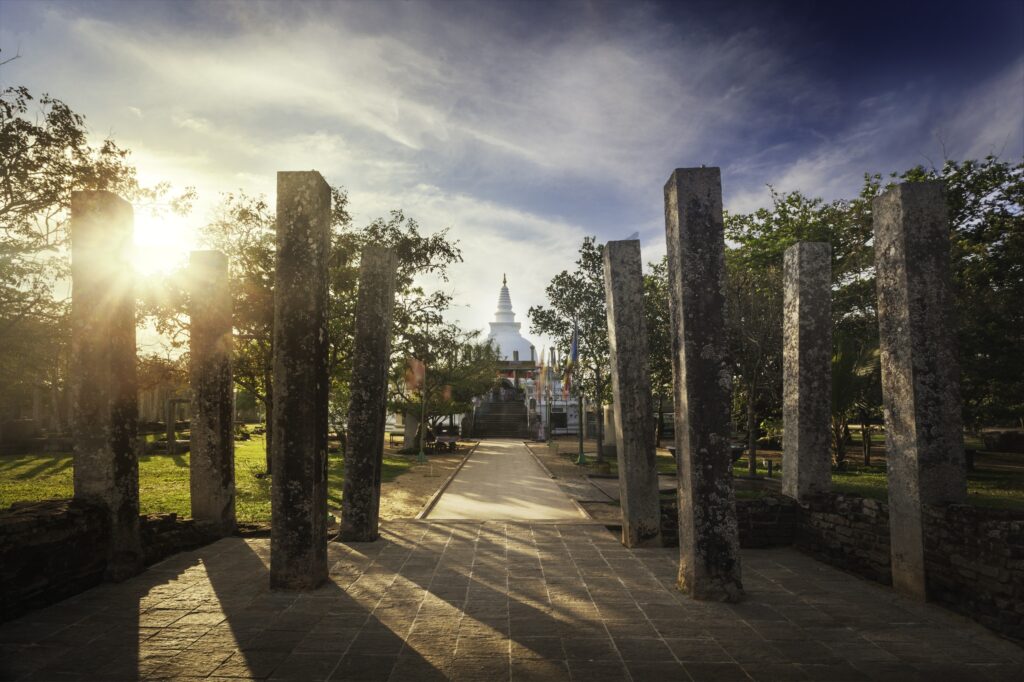
Sri Lanka’s oldest capital city is also one of the great ancient cities of Asia – a UNESCO World Heritage Site that was inhabited, governed, and continuously embellished for over a thousand years by a succession of kings who built on a scale that still astonishes. Anuradhapura is not just archaeology. It’s a living pilgrimage site where devotional practices have continued without interruption for over 2,300 years.
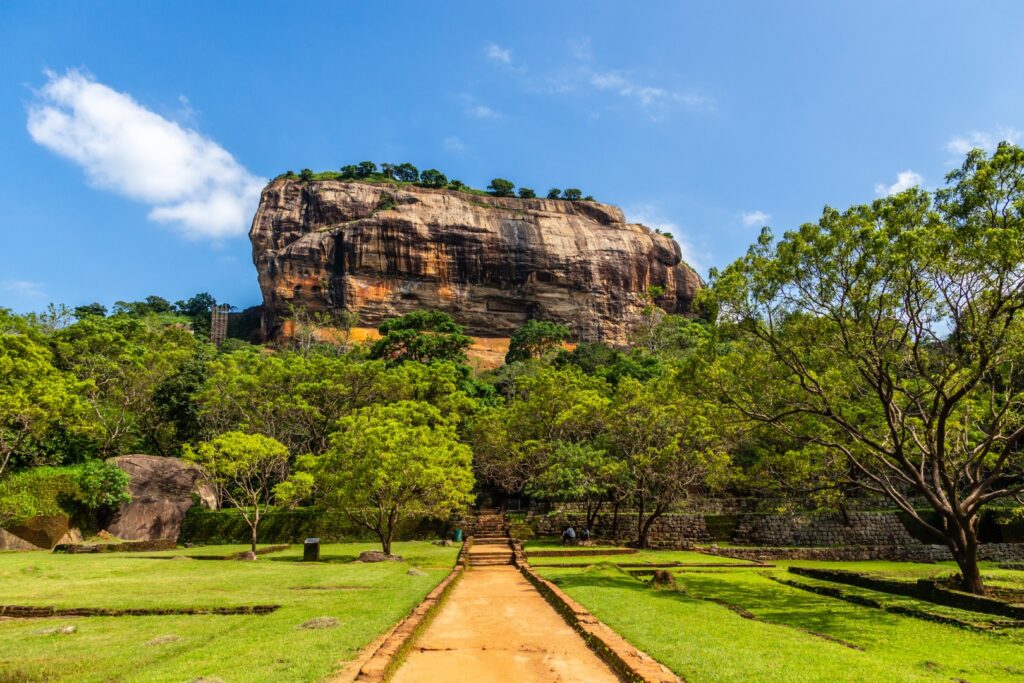
Two of Sri Lanka’s greatest UNESCO World Heritage Sites in a single day – and they complement each other perfectly. Sigiriya is bold, physically dramatic, and unlike anything you’ve seen before. Dambulla is older, quieter, and rewards the kind of slow attention that crowds often make difficult. Together, they represent Sri Lanka’s ancient civilisation at its most extraordinary.
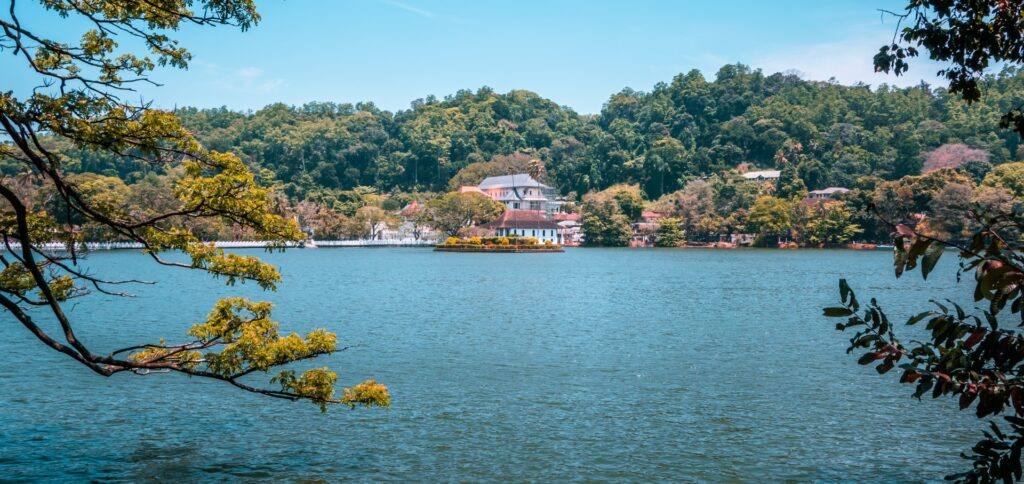
Kandy is Sri Lanka’s cultural heart – the last royal capital, the home of the most sacred Buddhist relic in the world, and the place where Kandyan arts, architecture, and ceremony were deliberately preserved through centuries of colonial pressure. This is not just a pretty highland city. It’s a living cultural statement.
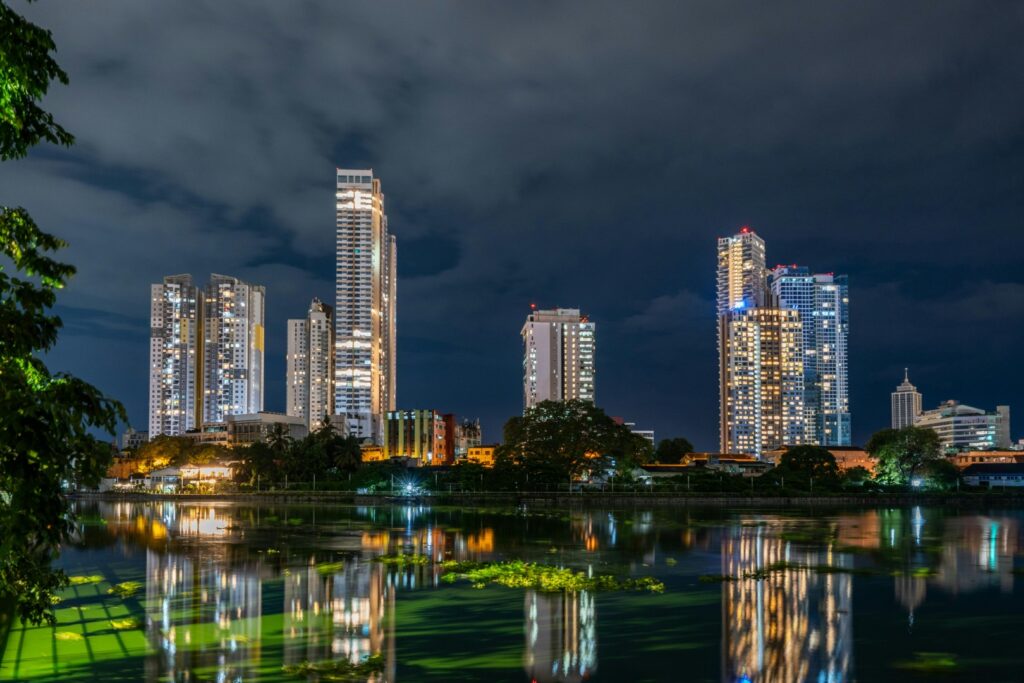
Sri Lanka’s capital doesn’t always get the credit it deserves. Behind the traffic and the towers, Colombo is a genuinely layered city – Dutch canals and colonial churches, Buddhist temples next to the Indian Ocean, a bazaar that’s been running for centuries, and a waterfront promenade that comes alive every evening. This day tour cuts through the noise to show you the parts of Colombo that are actually worth your time.